Image-Guided Navigation
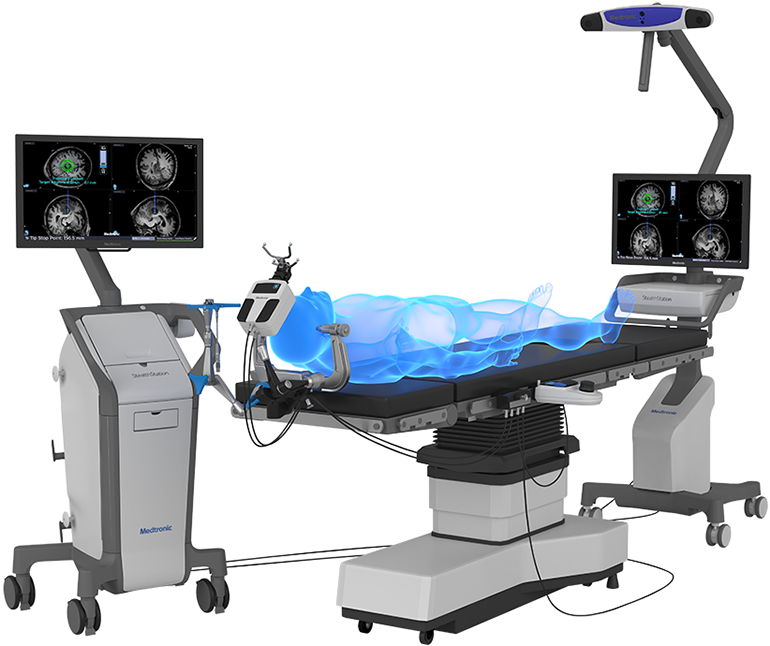
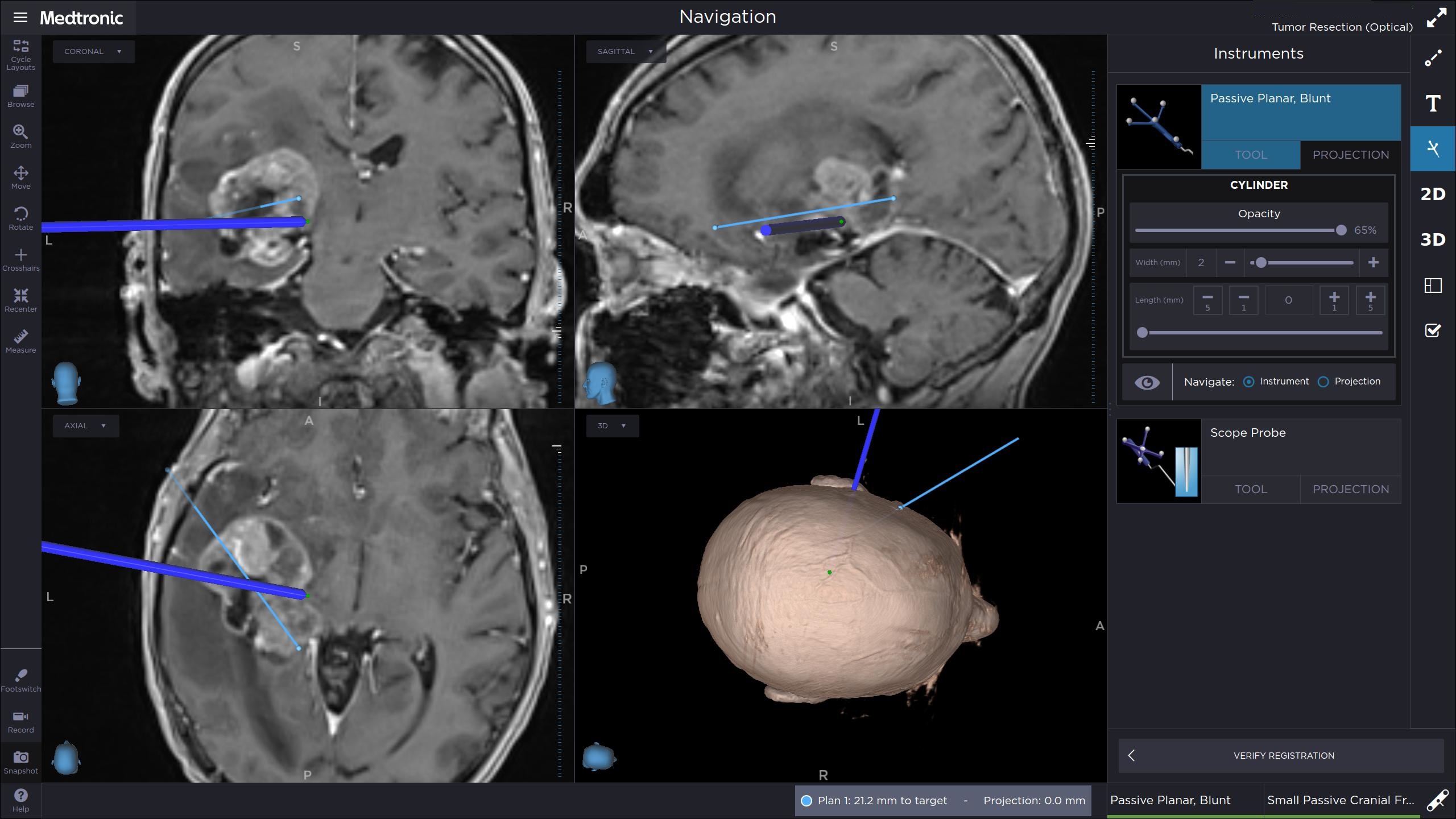
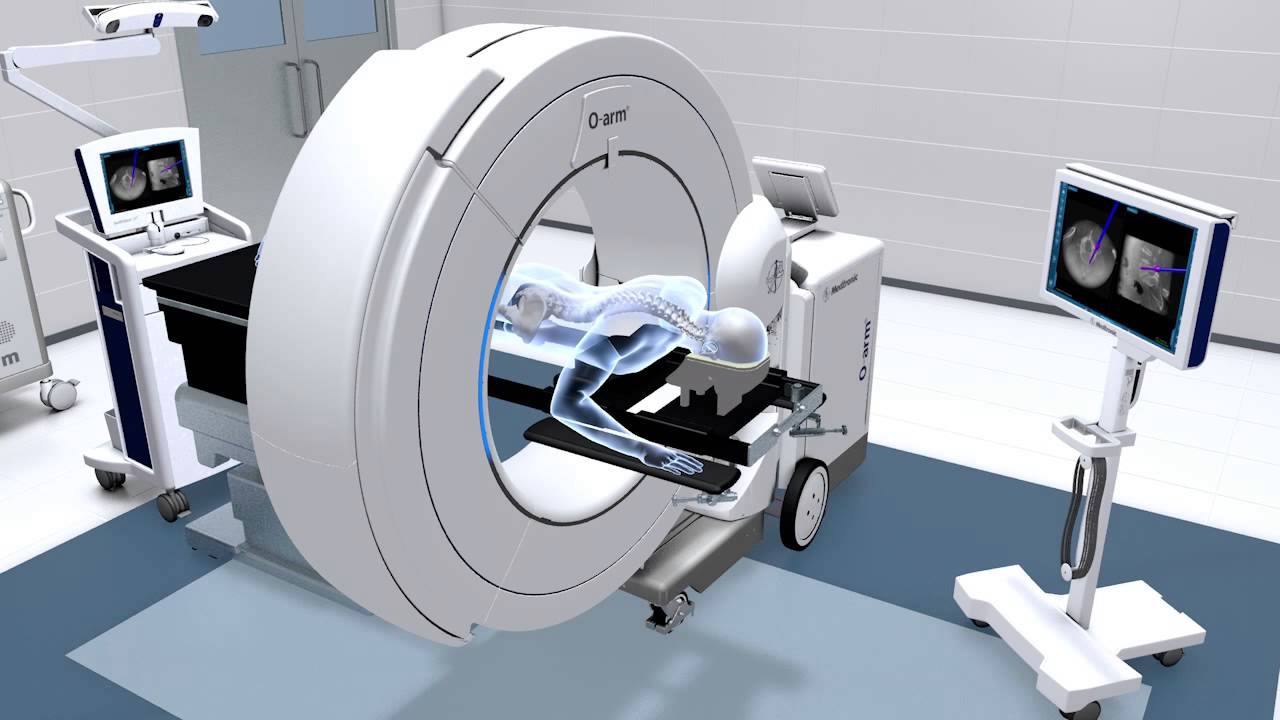
Navigation systems can function like GPS for the operating room, correlating patient anatomy with preoperative or intraoperative imaging.
 Mark Hornyak, MDBoard Certified Neurosurgeon
Open on your phone
Inside the Modern Operating Room | Mark Hornyak, MD
https://www.markhornyakmd.com/modern-operating-room
Point your camera here to continue reading on your own device.
Operating Room & Technology
Advanced visualization, navigation, imaging, and microsurgical tools support planning and surgical decision-making in selected brain and spine procedures.
Precision Tools
Modern neurosurgery relies on carefully selected technology to help understand anatomy, confirm location, improve visualization, and support efficient work in delicate operative corridors.
These tools do not replace surgical judgment, but they can provide important information during selected procedures involving the brain, skull base, spine, spinal tumors, complex fractures, and deformity.
Technology Categories
Navigation systems can function like GPS for the operating room, correlating patient anatomy with preoperative or intraoperative imaging.
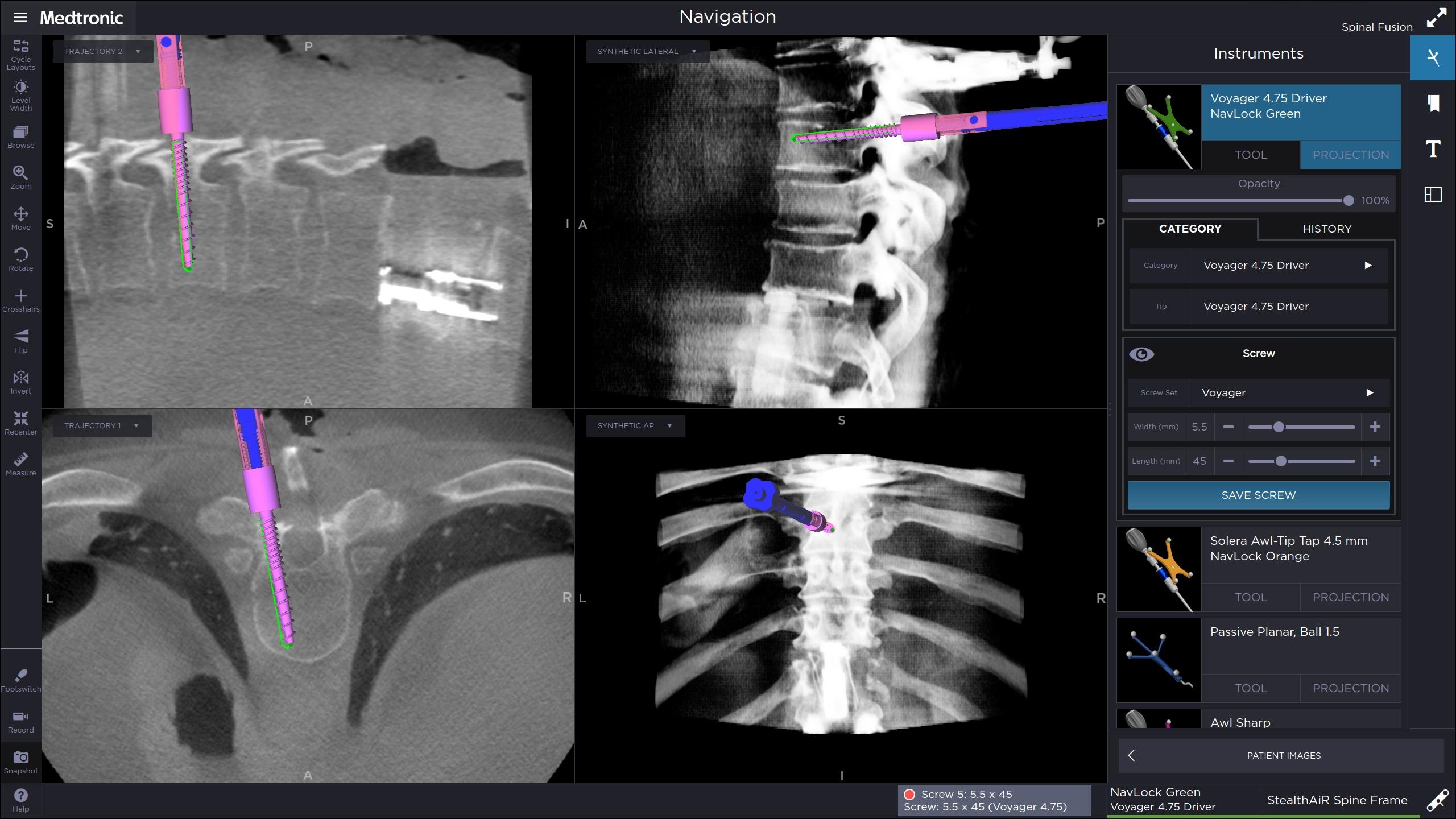
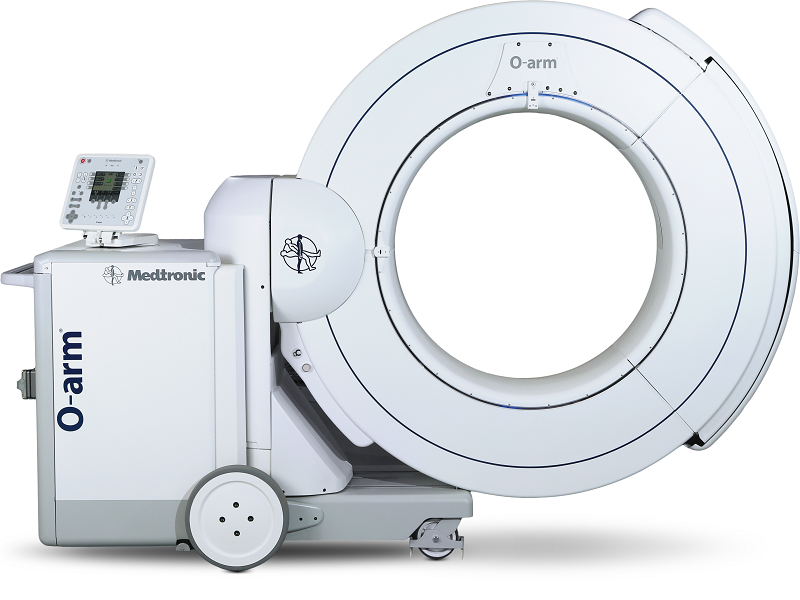
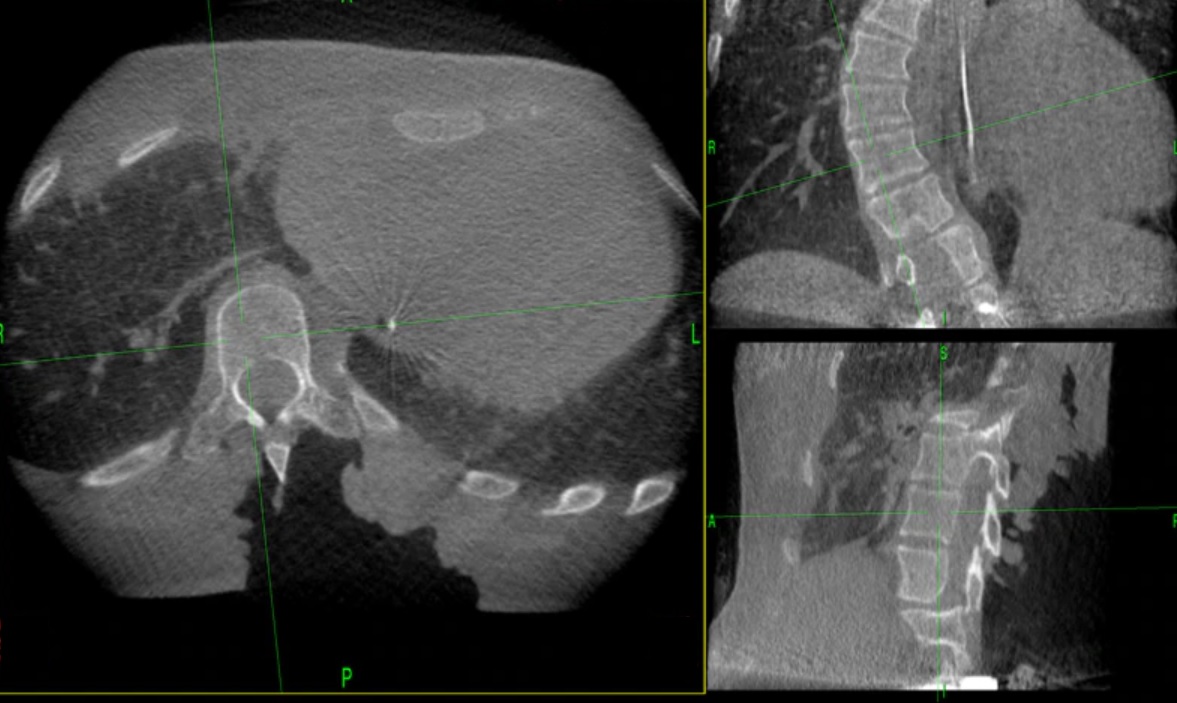
In selected spine procedures, intraoperative imaging may help confirm anatomy, instrumentation position, and surgical progress.
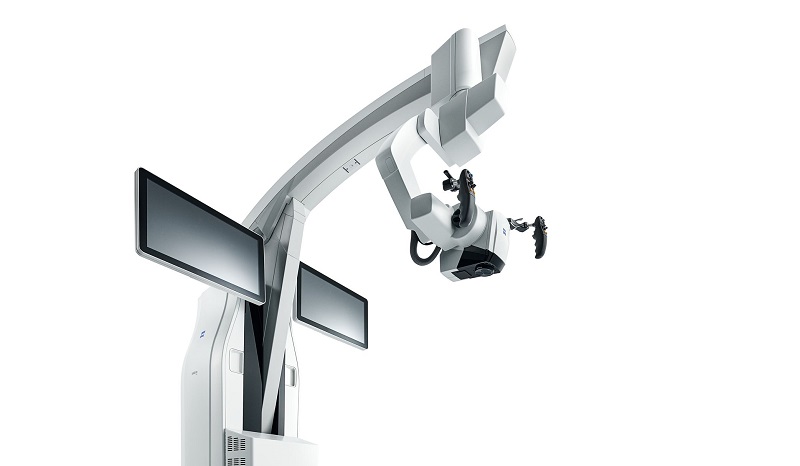
Operating microscopes provide illumination and magnification for delicate work around neural, vascular, and tumor anatomy.
Fluorescence techniques may assist visualization of selected tumors or vascular structures when clinically appropriate.
Equipment Gallery
Patient Education